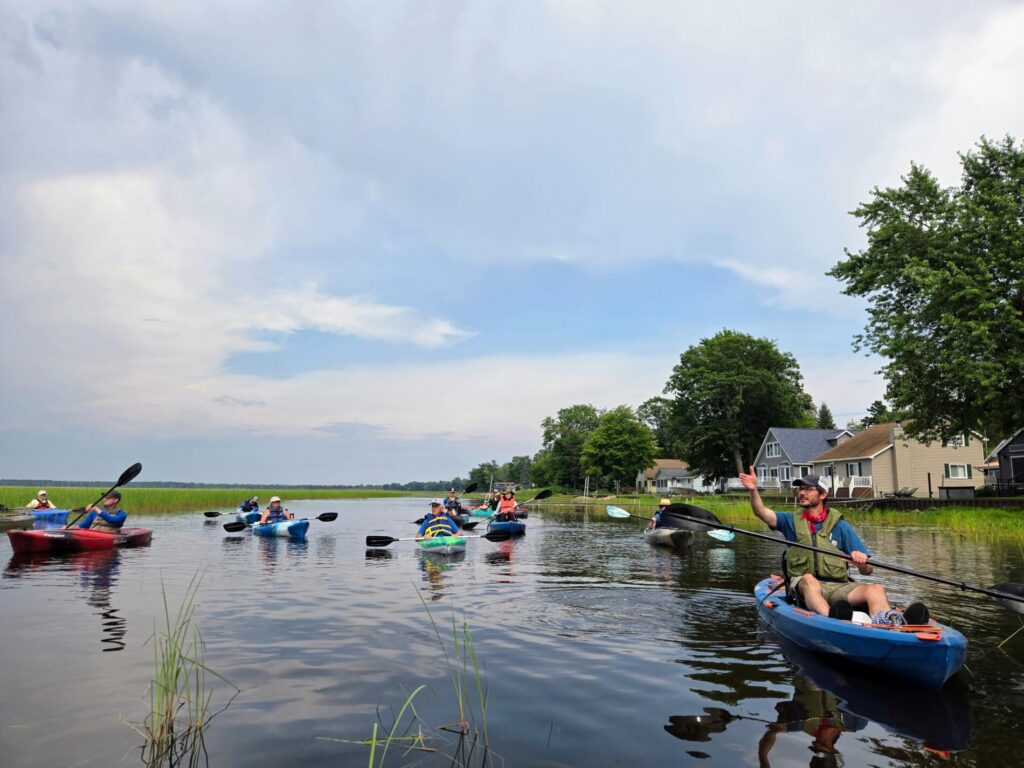
At the Americana Foundation, our work in natural resources has reinforced an important lesson: meaningful environmental progress rarely occurs in a straight line. Issues such as water quality, watershed restoration, and climate resilience are shaped by interconnected systems — ecological, economic, political, and social. Because of this complexity, progress often depends not only on technical solutions, but also on relationships, trust, local knowledge, and sustained community engagement.
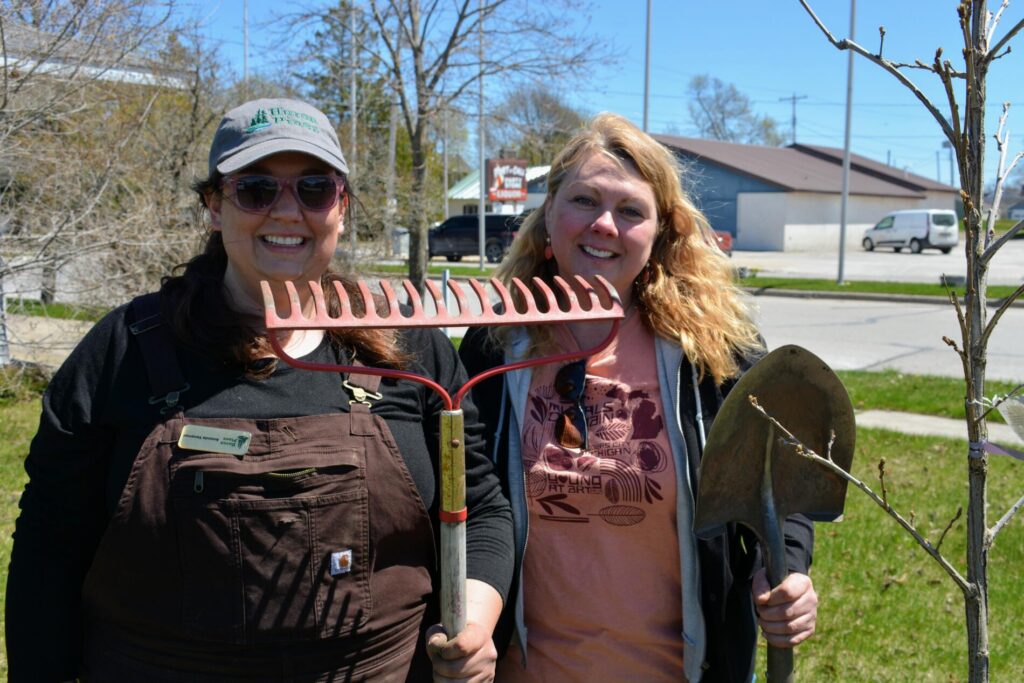
These conditions are not always easy to fund. Many environmental challenges unfold gradually — across decades, jurisdictional boundaries and election cycles, often without a single defining moment that signals a crisis. The important work of finding and implementing lasting solutions to these challenges often involves coordination among partners, community listening, planning, data gathering, and rebuilding local capacity after years of disinvestment. In our experience, these activities are essential to achieving long-term impact, even when they produce incremental or difficult-to-measure short-term outcomes.
This is one reason foundations making modest grants can play such an important role in environmental philanthropy. Grants of $25,000 or less are often well suited to supporting the early stages of complex work: convening partners around a shared watershed, helping community-based organizations participate in restoration planning, supporting pilot projects, or strengthening volunteer infrastructure, and allowing local leaders to test ideas responsive to the realities of place.
Our recent grants to Huron Pines illustrate this dynamic particularly well. Over the past several years, the Americana Foundation has awarded multiple grants to support community-driven conservation projects implemented by Huron Pines as part of the Lake Huron Forever initiative in Northeast Michigan. Rather than supporting individual on-the-ground restoration projects, our grants helped Huron Pines do something more foundational: work with rural communities to build the confidence, partnerships, and institutional capacity they need to protect water resources over the long term.
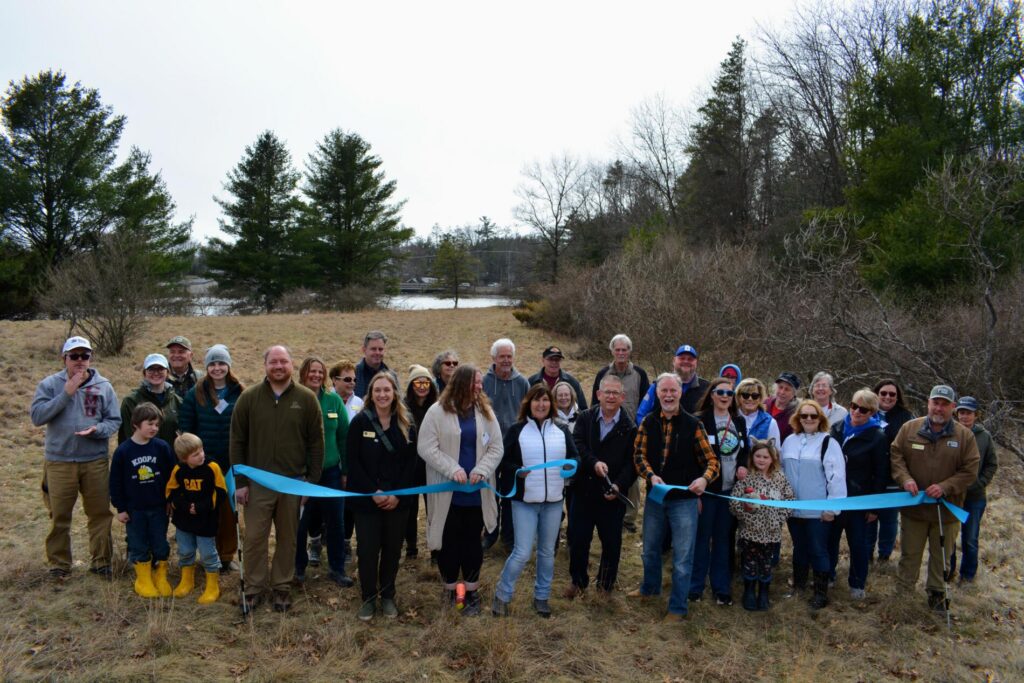
In communities such as Oscoda and East Tawas, Huron Pines worked alongside local officials, residents, Tribal partners, and regional organizations to strengthen planning, expand public engagement, develop longer term stormwater and coastal resilience strategies, and create locally adopted “Lake Huron Forever” pledges that formalized community commitments to protecting water quality. The work included volunteer engagement, municipal training, invasive species assessments, shoreline monitoring, green infrastructure planning, and the development of funding proposals for future implementation projects. These activities would not traditionally be viewed as large-scale environmental investments, but they helped to create the conditions necessary for sustained, larger-scale environmental protection to occur.
What stands out to us about this work is that its impact cannot be measured solely in acres restored or dollars leveraged, although those outcomes matter. In the case of Huron Pines’ work, impact is reflected by increases in local leadership capacity and civic infrastructure. Huron Pines describes this approach as “conservation driven by engaged, empowered communities” — a philosophy that closely reflects our own understanding of how durable environmental progress occurs in complex systems.
Our experience has taught us that environmental philanthropy often is most effective when aligned with the realities of place-based environmental work. The value of smaller grants lies in flexibility, timing, responsiveness, and the ability to support collaboration before outcomes are fully known. By investing in community capacity, local leadership, and long-term stewardship, foundations making modest grants can help create the conditions under which broader environmental progress becomes possible.