The Detroit River is one of Michigan's most important waterways. It connects Lake St. Clair to Lake Erie and provides drinking water, wildlife habitat, and recreational opportunities for millions of people in southeastern Michigan. Yet decades of industrial activity and pollution have left portions of the river’s shoreline seriously contaminated, threatening aquatic ecosystems and human health.
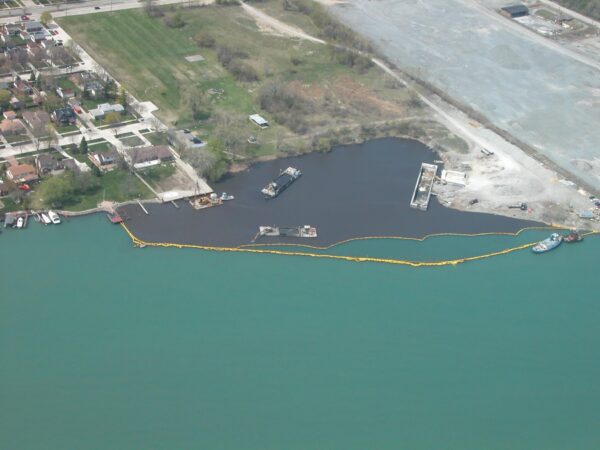
In 1987, the Detroit River was designated a Great Lakes Area of Concern under the Great Lakes Water Quality Agreement, a binational initiative to restore heavily polluted waterways. Since then, federal, state, and local partners have undertaken extensive efforts to address legacy contamination in the river and restore the river's ecological health. One challenge that remains is the removal of contaminated sediments from the riverbed. Sediment removal and remediation is a massive and complex undertaking – the estimated cost for addressing contaminated sediments on the U.S. side of the river alone is $1 billion – and it can have significant implications for neighboring communities.
In September 2026, the Americana Foundation awarded a grant to Friends of the Detroit River (FDR) to support its Detroit River Area of Concern Community Engagement Program. FDR will use Americana’s grant to organize community meetings, workshops, and outreach events; develop accessible educational materials; and facilitate conversations between residents and those responsible for remediation activities. The program will focus particularly on shoreline communities in Detroit, River Rouge, Ecorse, and other Downriver municipalities, where residents have experienced disproportionate impacts from industrial pollution. A central objective of the program is to make technical information about sediment contamination, cleanup activities, and potential health risks understandable and accessible to residents. Equally important, the program will create opportunities for residents to ask questions, express concerns, and provide feedback as restoration activities move forward.
FDR’s Community Engagement Program will help bridge an important gap between the substantial public investments being made to clean up contaminated sediments in the river and the communities most directly affected by those efforts. While substantial federal and state resources are being directed toward the physical cleanup process, funding to engage residents in the restoration process is much more limited. FDR will collaborate with government agencies and local community organizations to ensure that outreach efforts reach residents who might otherwise have limited opportunities to participate. By supporting community engagement alongside environmental restoration, the project seeks to ensure that residents have both the information and the opportunity to participate meaningfully in decisions affecting the future of the river and their communities.
Americana is pleased to support FDR’s commitment to ensuring that the residents most likely to be impacted by legacy contamination and the activities planned to address the contamination are engaged in the cleanup and restoration. More information about FDR and this project is available on the FDR website.